The Realities of Growing Up in Foster Care

One thing you realize when you get to know a kid in foster care is their lack of stuff. Most of the time when they are taken into care, they are handed a bag and told to grab a few things they might need while the situation is sorted out, or a bag is packed for them. They usually enter the foster care system with the clothes on their back and a change of clothes in a bag. No pictures documenting special moments, or achievements, or showing a family resemblance. They don't have a special toy, blanket, or an award for something they accomplished. The truth is there probably wasn't much to take with them when they left their family and entered care.
The dysfunction and instability that create the need for the child to be taken into care does not provide for a beautifully documented childhood. Baby pictures, a folder with old birthday cards, or their first pair of shoes, just don’t exist for these kids. Perhaps that is why so many of them cling to the idea of being back with "family ". They desperately want to have someone or something that can tell them who they are, and show them that they matter, that they are loved and they are important.
What are these boys like?
Boys in foster care are just like any other boys in many ways. Most of the time if you were to meet them at the mall or pass by them on the street you probably could not tell the difference between them and any other kid that age, however, if you watched them long enough you might be able to tell the difference. You might be able to see the weariness in their eyes, or observe the physical fatigue that comes from carrying the weight of life experiences many of us can only imagine. The kind of life experiences that play out like a scene from a TV cop show or a violent movie.
Unfortunately for them, it's real life.
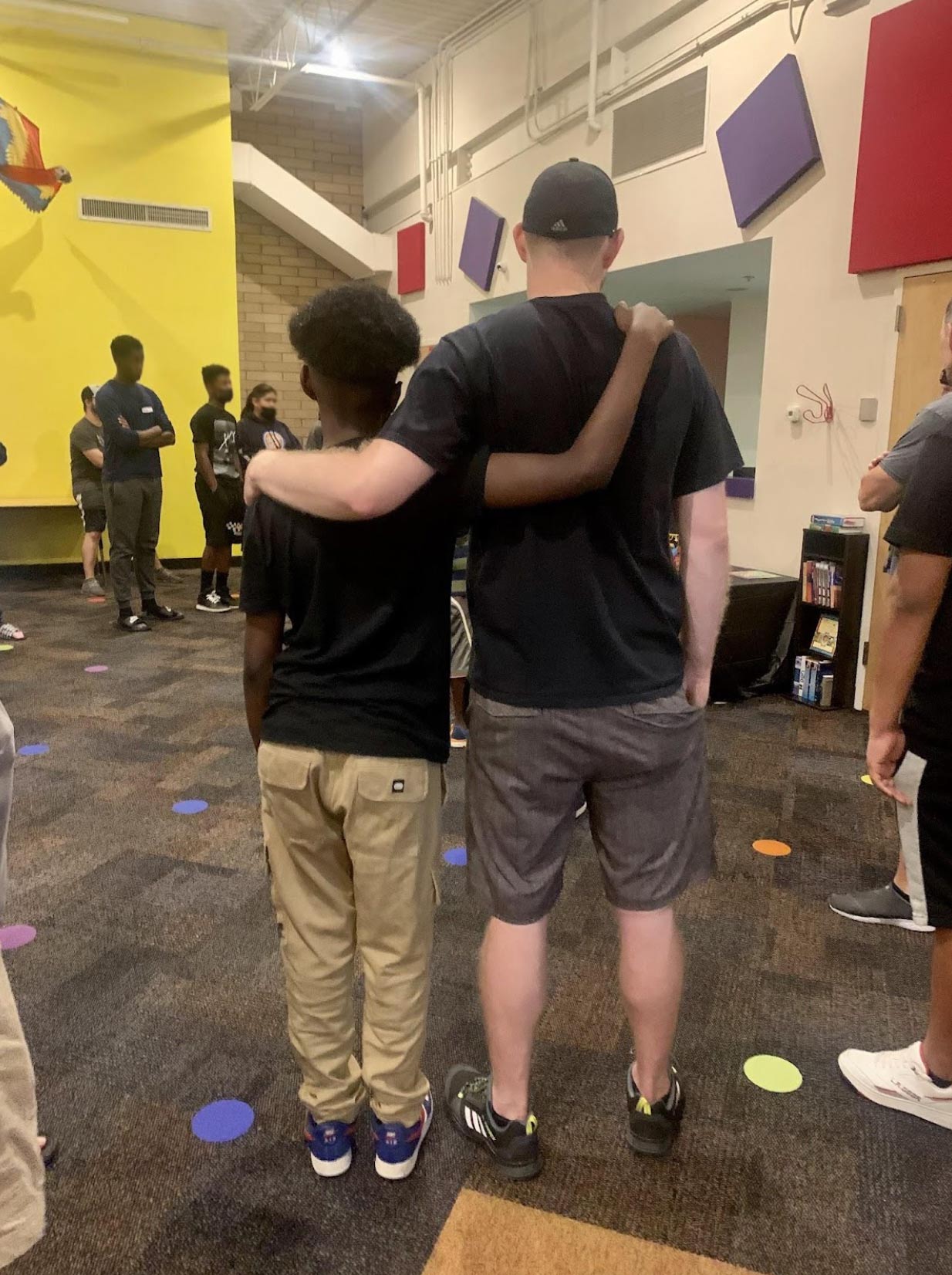
The interesting thing you learn as you spend time with them, however, is that mixed in with all the violence, drama, and neglect, are regular everyday family moments. Good moments that create good memories and a familial bond. When you get to know them, you start to see that for many it is not the abuse and neglect that create the deepest wounds, but rather, the emotional conflict they carry because of the familial bond and the trauma suffered because of that bond. Many don't really want to go back because in foster care they have a clean place to sleep and plenty of food to eat however they miss their families. Many believe that if they go back they can somehow make it “better” for the family.
Some worry about their Mom.
Is she ok? Does she have a place to stay or is she living on the street? Is she safe? Most do not have a relationship with their father.
One young man said "I can't stay in this group home because I don't want to be that kind of kid. You know a foster kid, a kid with no family. I got a family, it's just not safe for me to live with them right now."The one thing they all have in common is the desire to be a “normal” kid with a “normal” childhood.
They all want to know they are loved and important to someone. That is where we come in. Our job is to help them KNOW they are loved and important to God and to us.
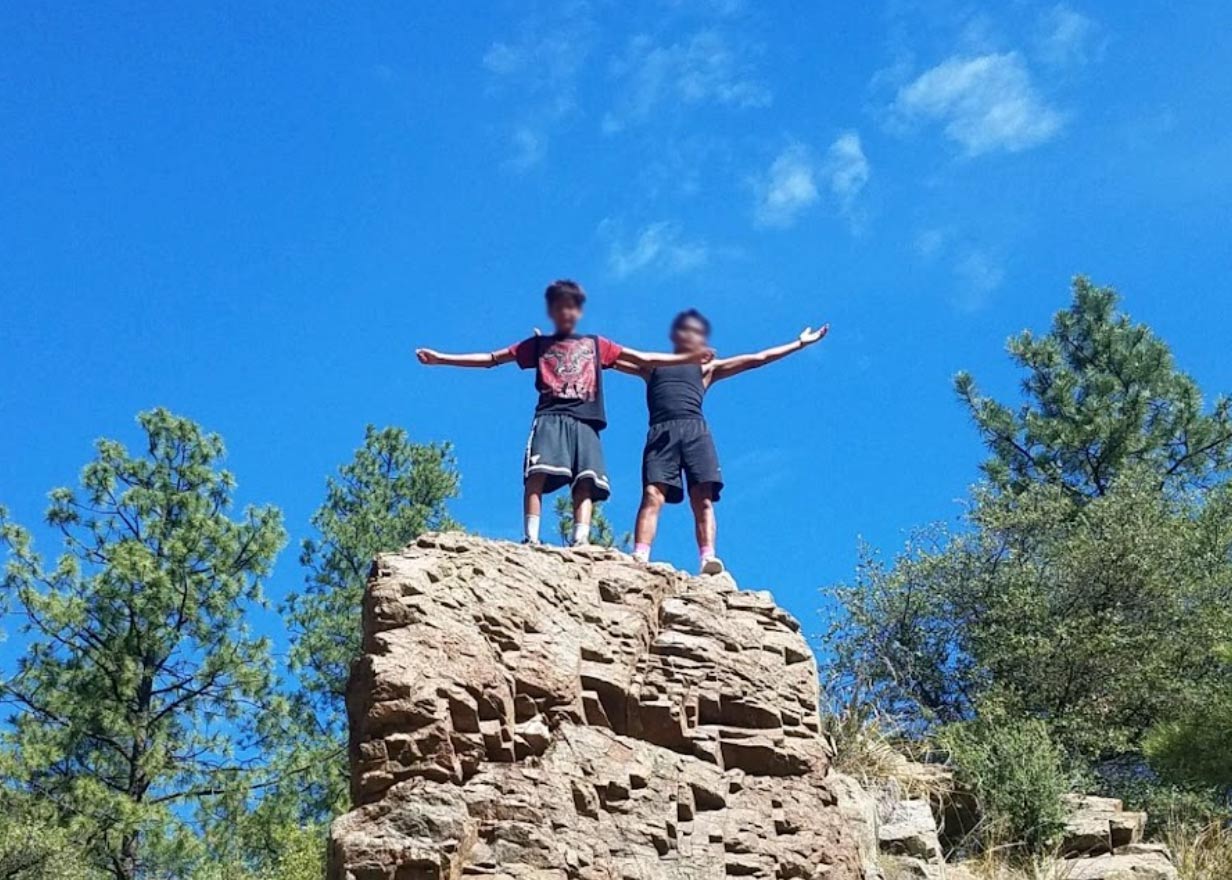
Why are the boys faces blurred?
We have blurred out the faces of the children in the photos because as minors their identities need to be protected at all times.
Hard Reality of Boys in Foster Care
400,000
kids enter foster care each year

52%
of these kids are male
40%
age out and become homeless
23,000
children age out of foster care yearly
20%-25%
will end up being unwed fathers by 21
Testimonies from the Boys
Andrew, 18
I met the people at Ram at a skills day. It was fun and a way to get out of the house. People with Ram always want to see the best in you. They want to see you succeed in life and not go back to the dark place you were in. I chose to move into the Launch pad house because it was a better environment than moving home. And I have more opportunities. If I had gone back home I would have dropped out of school, and not had people to go to for advice. Ram gives me support and I have people that give me good advice and hold me accountable for my decisions. So far I have opened a bank account, started saving to buy a car, got my driver's license and will start trade school in a few weeks. Back home I would have no future, here my future is good.
Kam, 21
When I first came to the Launch pad house I knew the other boys so I felt like it would be a good thing. I already knew the people running the house because I met them at Skills and camp. I knew I could trust them and I felt safe. Since living in the Launch pad house my life has changed. My anxiety has gone away and I no longer need to smoke weed. I am still working on my self-discipline and learning I can do hard things. I have learned alot to prepare me to be on my own.
I know I need to work full time and save money. I know I will be able to make it when I live on my own. I have learned to trust people and I feel like I'm growing closer to God everyday. Without Ram I would be living in Louisiana. I would have dropped out of high school and still have a lot of anxiety and be upset about everything and want to fight all the time. But with RAM I don't have anxiety, I feel more peaceful and I don't want to fight all the time. In LA I felt like I didn't have a future with RAM, I feel like I have one. I hope someday RAM is able to open more homes for kids that need help with the life that is going on around them right now.
J, 16
I like to go to Bible Study because it helps me have a good week and stay focussed on good things so I can make good choices.
D, 17
When I go to Bible Study I feel better.
Our Mission Partners